
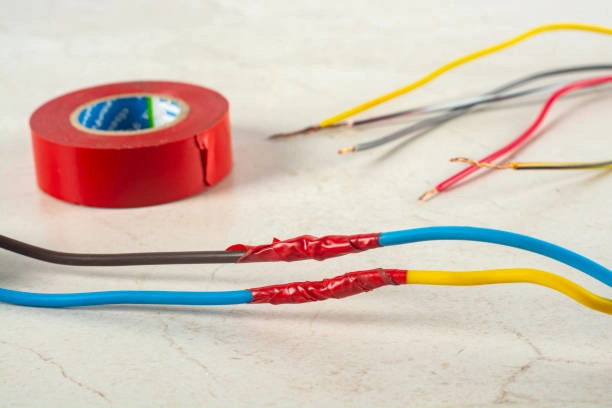
PVC tape and electrical tape are often mentioned together, which leads many people to assume they are exactly the same. In practice, PVC tape is commonly used as a type of electrical tape. Electrical tape is a functional category used for insulating and protecting electrical conductors, while PVC tape refers to tape made from polyvinyl chloride material. Many electrical tapes are made from PVC, but not all electrical tapes use PVC as the backing material. This distinction matters because material choice can affect flexibility, durability, temperature resistance, and suitability for different electrical applications.
What is Electrical Tape
Electrical tape is used to insulate and protect wires, terminals, and other electrically conductive components. Its main purpose is to help prevent short circuits, reduce accidental contact, and improve safety in household, commercial, and industrial wiring systems. Depending on the product, electrical tape may be made from materials such as PVC, vinyl compounds, or rubber based materials, with the exact formulation chosen based on the intended application.
In addition to insulation, electrical tape is also used for color coding, cable identification, and bundling in certain installations. Color conventions may vary by country, industry, and code requirements.
What is PVC Tape
PVC tape is tape made with a polyvinyl chloride (PVC) backing. In electrical applications, PVC tape is one of the most common materials used for electrical insulation because it offers a useful balance of flexibility, mechanical strength, moisture resistance, and cost.
Because PVC has good resistance to abrasion, moisture, and many chemicals, PVC insulation tape is widely used in wire wrapping, splicing protection, cable harnessing, and general purpose electrical insulation work. However, performance still depends on the specific product grade, adhesive system, thickness, and certification level.
Comparing PVC Tape to Other Types of Electrical Tape
Understanding the difference between PVC electrical tape and other types of electrical tape helps users choose the right product for a specific job.
PVC Electrical Tape vs Other Electrical Tapes: What’s the Difference?
Compared with some other electrical tapes, such as rubber based self-fusing tapes or specialty high temperature insulation tapes, PVC electrical tape is typically valued for its convenience, surface protection, moisture resistance, and everyday insulation performance.
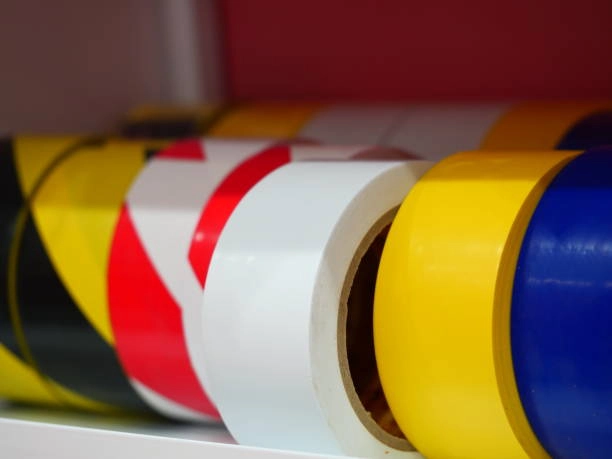
| Feature | PVC Electrical Tape | Other Electrical Tapes |
| Base Material | Polyvinyl chloride (PVC) | Rubber, specialty polymers, or other compounds |
| Temperature Resistance | Varies by product grade; commonly suitable for general electrical use | Can range from general purpose to high temperature specialty use |
| Chemical Resistance | Generally good | Depends on material formulation |
| Flexibility | Good overall flexibility | Varies; some are more conformable, others more rigid |
| Adhesive / Bonding Behavior | Pressure sensitive adhesive | May use adhesive backing or self-fusing structure |
PVC tape is widely used because it is practical and cost effective for routine insulation work. However, where higher heat resistance, self-fusing performance, or specialty sealing behavior is required, another type of electrical tape may be more suitable.
Advantages of Using PVC Insulation Tape in Electrical Circuits
When properly selected and applied, PVC insulation tape offers several advantages:
- Reliable Insulation Performance: Good quality PVC electrical tape provides dependable insulation for many common wiring tasks.
- Moisture Resistance: It performs well in damp environments when applied to clean, dry surfaces.
- Mechanical Protection: The backing helps resist abrasion and minor physical wear.
- Chemical Resistance: Many PVC tapes offer useful resistance to oils, acids, and alkalis encountered in industrial settings.
- Ease of Use: PVC tape is flexible, easy to wrap, and available in multiple colors and grades.
These advantages make PVC insulation tape a standard choice for general electrical maintenance, cable identification, and low to medium duty insulation tasks. As always, users should check the manufacturer’s specifications for voltage rating, flame retardancy, temperature class, and applicable certifications before use.
Applications and Alternatives to Electrical Tape
Although wire insulation is its primary use, PVC insulation tape is also used in a range of supporting applications across different industries.
Common Uses of PVC Insulation Tape
In residential, office, and industrial environments, PVC insulation tape is commonly used for tasks such as:
- Bundling cables neatly along conduits or panels
- Color coding circuits and wire groups
- Adding insulation over splices or connectors
- Protecting terminals from incidental contact
- Reinforcing light duty cable areas exposed to vibration or movement
In some non-critical situations, PVC tape may also be used for temporary marking, bundling, or light surface protection. However, it should not automatically be treated as a substitute for purpose built sealing tape, pipe repair tape, or leak repair products unless the product specifications clearly support that use.
Exploring Alternatives to Electrical Tape
Where electrical tape is not the best fit, other products may be more appropriate. For example, nylon cable ties are often better for cable organization, while liquid electrical tape can be useful for irregular shapes or hard to wrap areas. Rubber self-fusing tape may be preferred where a tighter moisture seal or higher performance wrap is needed.
QKD Tape is presented as a manufacturer of industrial adhesive solutions, including PVC insulation tape, masking tapes, and double sided adhesives for applications in automotive, packaging, construction, and electronics. When evaluating any supplier, buyers should review product datasheets, certification status, and application fit rather than relying only on general marketing claims.
Ensure safe, reliable performance in every electrical project—choose QKD Tape for high quality PVC insulation tape and industrial adhesive solutions. Contact us today for expert support and customized options.
FAQs
Q1: Is all electrical tape made from PVC?
No. Many electrical tapes are PVC based, but some are made from rubber or other specialty materials depending on the application.
Q2: Is vinyl tape the same as PVC tape?
In many practical and commercial contexts, yes—vinyl tape often refers to PVC based tape.
Q3: Can I use PVC insulation tape outdoors?
It can be used outdoors in some cases, especially where moisture resistance is needed, but outdoor performance depends on the product grade, UV resistance, and installation conditions.
Q4: What temperature range can PVC electrical tape handle?
That depends on the specific product and manufacturer rating.
Q5: How long does properly applied electrical tape last?
Service life depends on temperature, UV exposure, chemicals, mechanical stress, and product quality.