













The Benefits of BOPP Lamination Film: Protecting and Enhancing Your Products
Biaxially oriented polypropylene (BOPP) lamination film is a popular material used in the packaging and printing industry. It is a versatile and cost-effective solution that offers a range of benefits for businesses and consumers alike. In this blog, we will explore the benefits of BOPP lamination film and how it can protect and enhance your products. Durability and Protection One of the primary benefits of BOPP lamination film is its ability to provide durability and protection to your products. It can protect against moisture, dust, and other environmental factors that can damage or compromise the quality of your products. BOPP lamination film is also resistant to tearing and punctures, providing an extra layer of protection during shipping and handling. Product Enhancement BOPP lamination film can also enhance the appearance and quality of your products. It can add a glossy or matte finish, as well as provide a smooth surface for printing or labeling. This can increase the aesthetic appeal of your products and help them stand out on the shelves. Versatility BOPP film lamination is a versatile material that can be used in a variety of applications. It can be used for food packaging, labels, book covers, and more. Its versatility makes it
How Masking Tape for Painting Enhances Precision and Saves Time
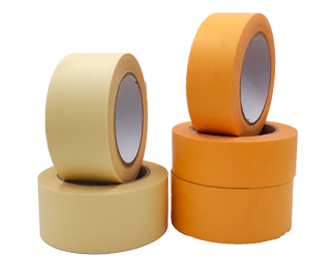
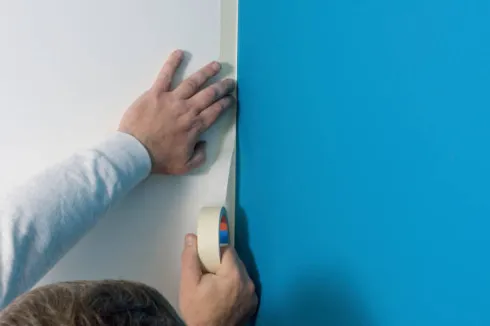
The Role of Masking Tape in Achieving Clean Paint Lines How Masking Tape Enhances Edge Precision Getting sharp edges matters a lot in painting jobs. And using painter’s tape helps a bunch to get neat, pro style finishes. This tape sets up a wall that stops paint from leaking. It keeps lines straight near trim, baseboards, and ceiling borders. That boosts how the work looks at the end. Plus, it cuts down on fixing time after painting. The glue on masking tapes is key here. Painters can stick the tape to surfaces with just a light touch and small push. It grabs on fast. No waiting for it to dry, not like with regular glue. Also, these tapes stick nicely to things like drywall, wood, and metal. So they work well on many parts of a room. The base layer counts too. Tape for packing or sandblasting needs flat paper. But creased paper with varying stretch makes masking tape and painter’s tape. Those creased paper tapes bend easily. They fit tight on bends or bumpy spots. And they stay put without peeling or wrinkling. Choosing the Right Tape Width for Detailed Work Tape width affects how much you cover and how much
Choosing the Right Wire Harness Tape for Automotive Wiring Applications
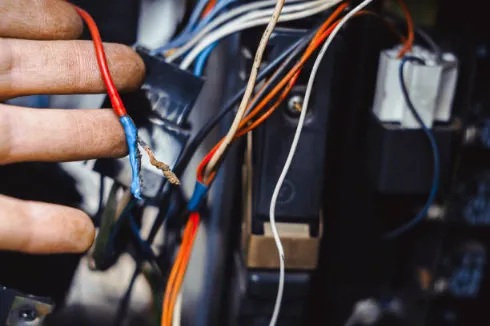
Key Considerations When Selecting Wire Harness Tape Material Composition and Its Impact on Performance Choosing the right wire harness tape starts with understanding material composition. Each type—PVC, cloth, fleece—offers distinct advantages. Adhesive chemistry plays a crucial role too: Adhesive Type Key Strengths Limitations Acrylic Excellent aging resistance, high temp endurance Slower initial bond strength Rubber-based Quick tack, strong on low-energy surfaces Poor heat and UV resistance Acrylic adhesives are generally more suitable for permanent and outdoor applications. Another overlooked aspect is chemical compatibility. Automotive fluids—like oil, coolant, and cleaners—can degrade some adhesives and backings. Tapes selected for under-hood use must be validated against these exposures. Temperature Resistance and Environmental Suitability High temperature tape is not optional—it’s essential. Engine bays can exceed 120°C during operation. PET films possess very unique properties, and due to their thermal conductivity, they are also suitable for heat management tasks in electronic devices. For UV exposure, especially in wiring routed near windshields or under the chassis, using UV-resistant materials like PET or treated cloth prevents degradation. In damp zones like wheel wells or doors, corrosion protection is key. Another advantage of acrylic substrates is their excellent resistance to many environmental factors, including sunlight, ozone, temperature, and water.
How Long Does PVC Electrical Insulation Tape Last Indoors & Outdoors
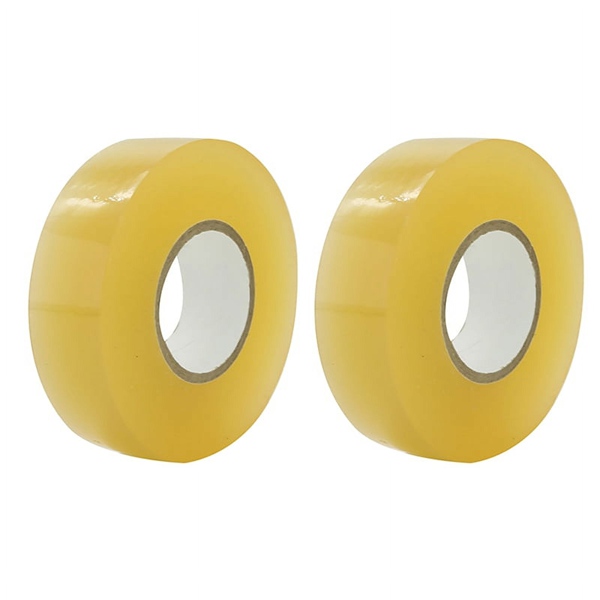
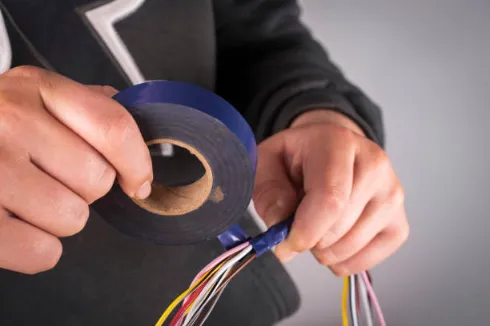
img.Hands wrapping blue PVC electrical insulation tape around exposed wire joints during an electrical repair.webp PVC electrical insulation tape acts as a flexible barrier. It wraps around wires and cables to shield against moisture, abrasion, and electrical shorts. Electricians rely on it for household wiring, automotive repairs, and industrial setups. But questions pop up all the time. How long does PVC electrical insulation tape last indoors before it starts breaking down? Can it handle outdoor conditions for years? And what about that roll sitting in the garage for three years—is it still good? Key factors that shorten or extend those times come next. First off, grasp the difference between shelf life and service life. Then, get typical lifespan ranges for indoor and outdoor use. Shelf Life vs Service Life of PVC Electrical Insulation Tape PVC electrical tape shelf life refers to how long an unopened roll stays usable in storage. Service life kicks in once applied. These two concepts matter because they guide decisions on buying, storing, and using the tape. What Is Service Life? (Applied on Wires and Cables) Service life measures how long the tape clings, stays pliable, and insulates once wrapped on conductors. In real world spots, it varies big